Infinite Record Crate
Dig through your music library like a crate of records.
Dig through your music library like a crate of records.
What I got was another billboard.
I'm 39, which means my dad collected records, my older siblings collected tapes, and I collected CDs. Each format had its own quirks and its own music. Vinyl was classic rock. Tapes were New Wave, pop, and — most importantly — the mixes my sisters and their boyfriends made. We listened to different music depending on how we owned it.
Staring at an album cover trying to guess what was inside, reading cryptic liner notes to decide whether a CD was worth my $11.99 — that was a core part of how I spent my time.
By college, MP3s, OiNK, and the campus LAN promised an explosion of library options, as long as I was willing to fix my ID3 tags, hunt down the correct album art, and re-download the albums I loved at higher bitrates. A spinning-disk external drive was my curated library, and my friends and I shared music over USB. That's why the iPod pitch landed so hard: all that precious curation, in your pocket, all the time.
When streaming came along, it promised all of that, just better — an infinite record store that would find me new and old music, tailored to me. Instead, the shelves became infinite and the digging disappeared. Autoplay, charts, editorial playlists: music chosen for you, cover art shrunk to thumbnails, albums dissolved into feeds.
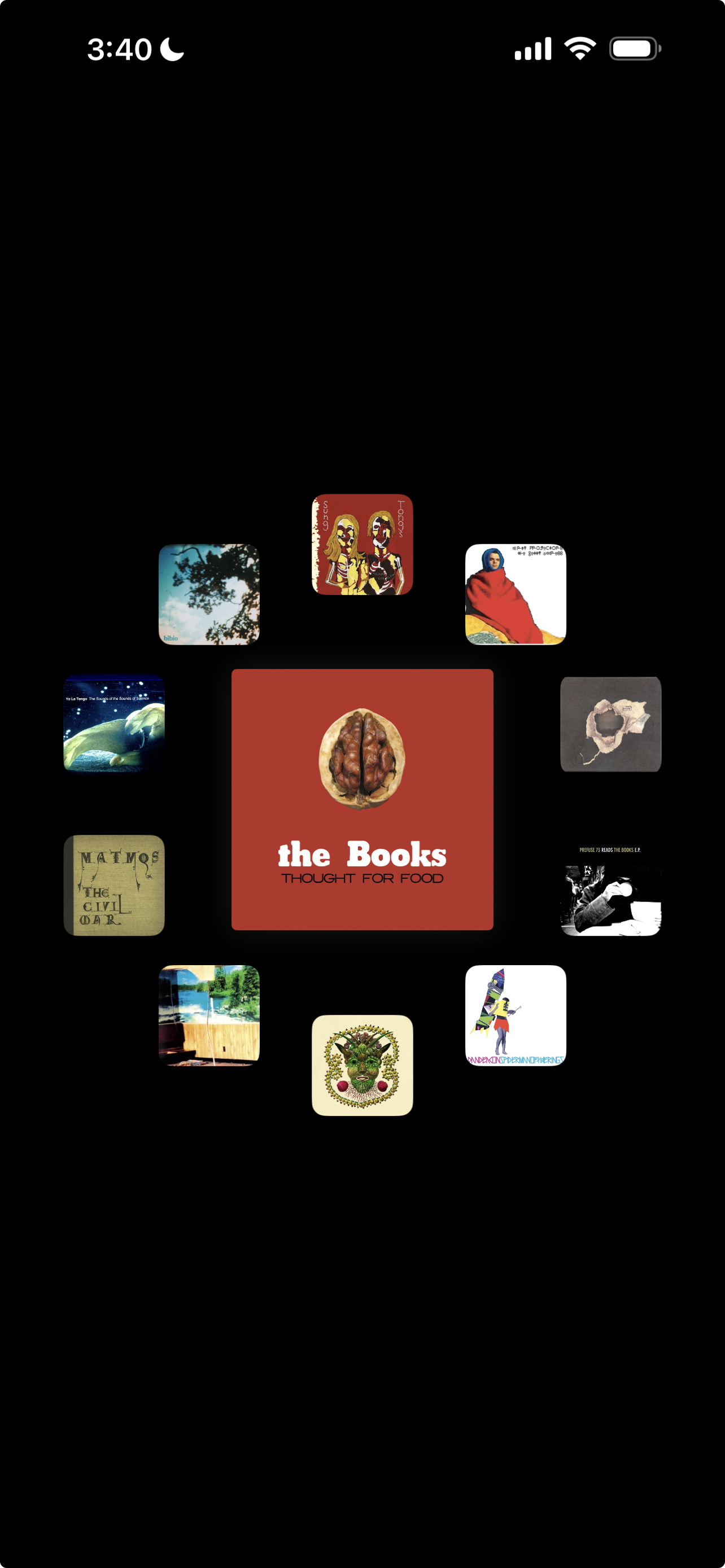
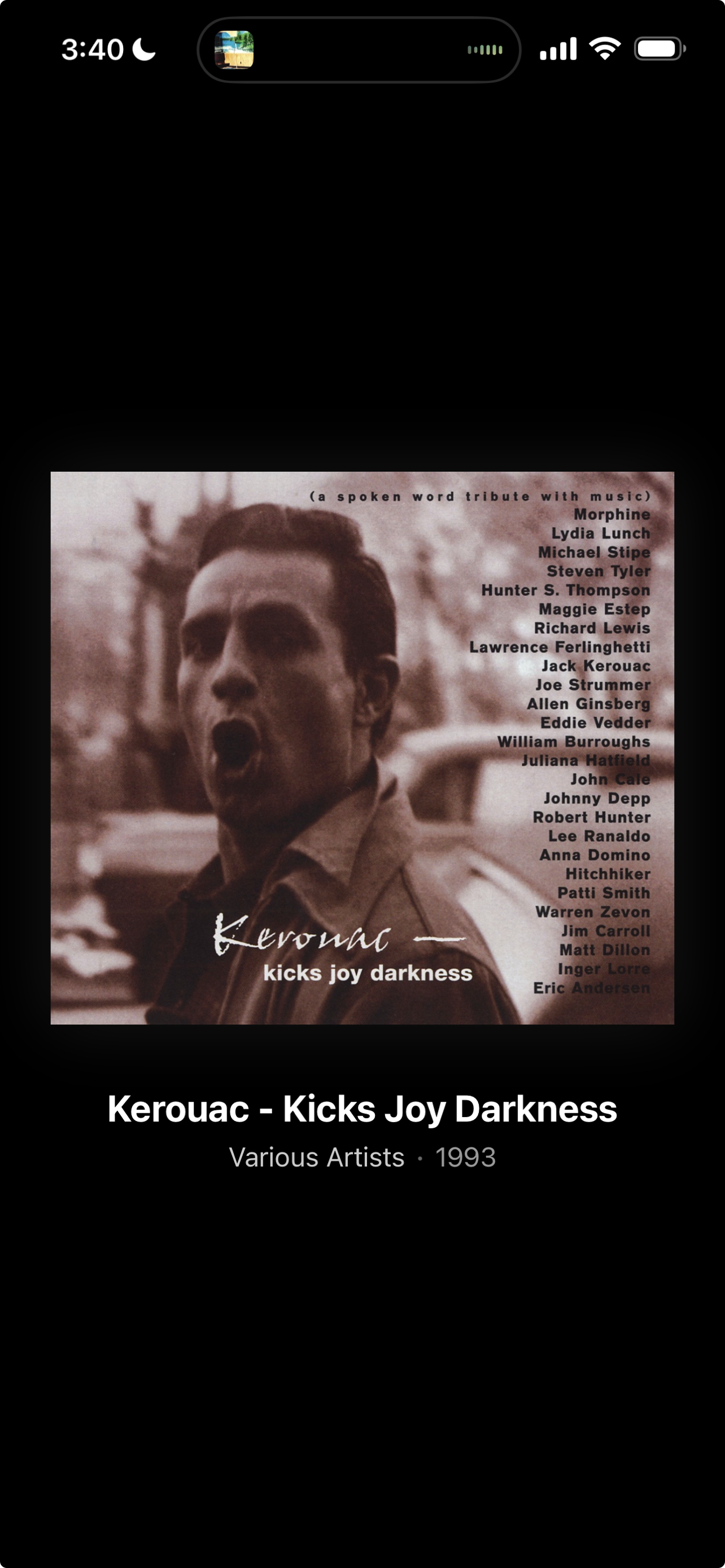
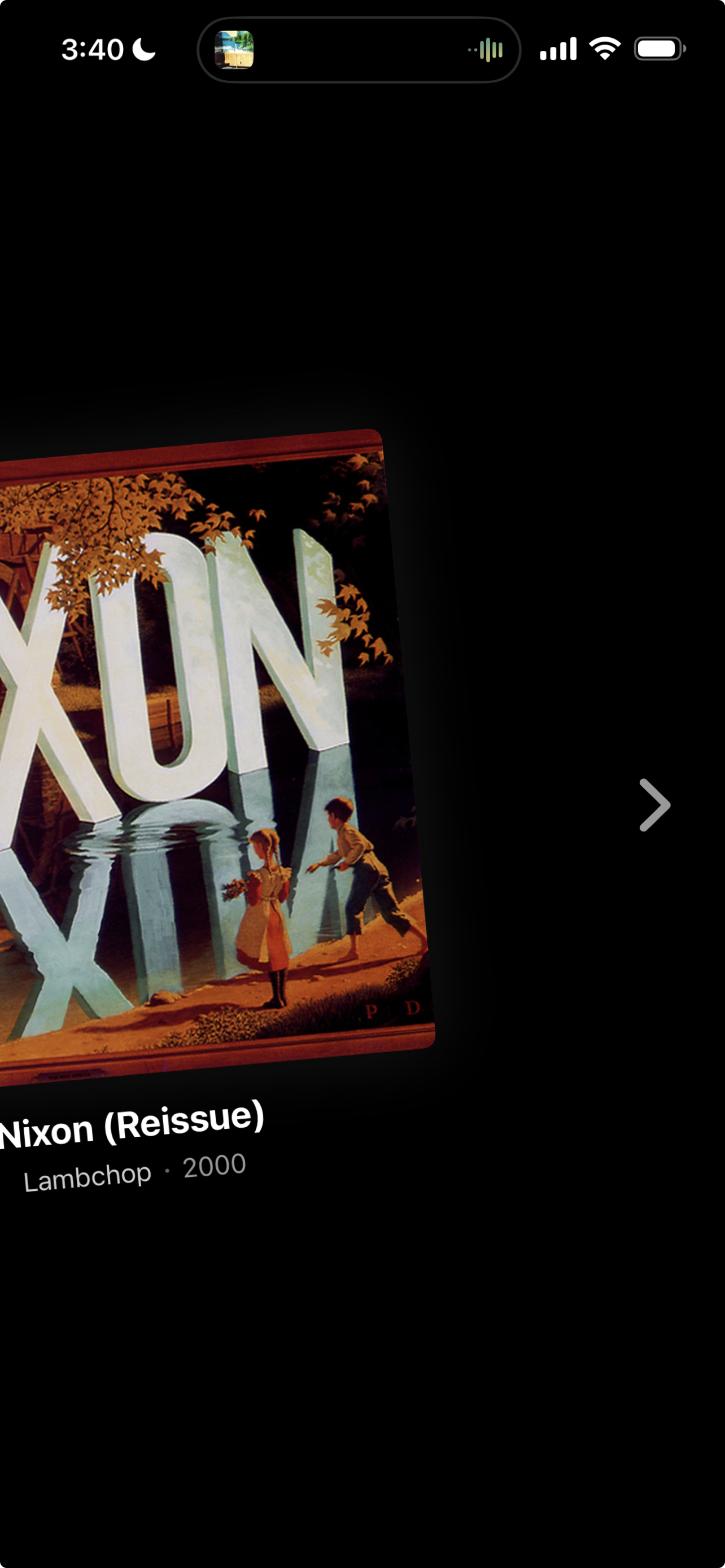
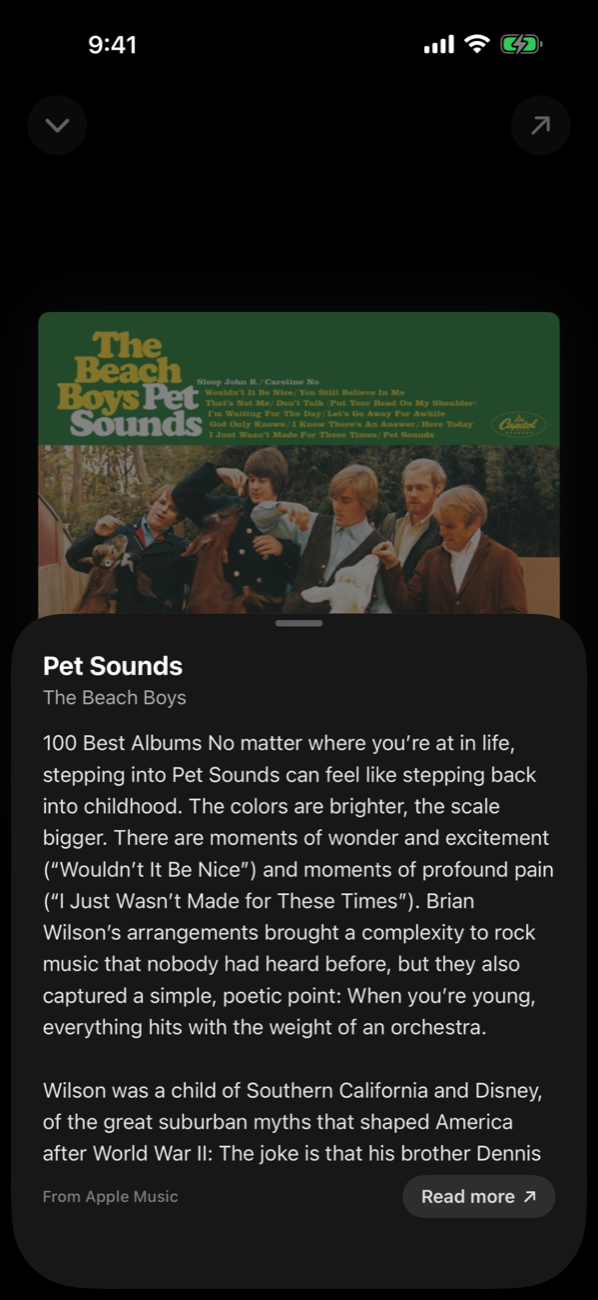
Infinite Record Crate is my attempt to get the digging back. Your library stacks up like records in a bin. You flip through it with your thumb — records you've passed tip forward and out of the way, the next cover slides up behind. You stop because a cover catches your eye, pull it out, flip it over, read the back. And because related records get woven in as you dig, the crate never runs dry: a session drifts wherever your curiosity takes it, the way a good hour in a record store always did.
The discovery I hope you get out of it isn't "here's what people like you play." It's the older kind — stumbling onto an album because of its cover, sitting with it long enough to read the notes, and following the vein it opens to the next one.
Private by construction: nothing leaves the device except MusicKit catalog queries. No analytics, no account.
iOS 26 or later, and an iPhone with a music library — purchases, iTunes Match, or Apple Music downloads. An Apple Music subscription is optional; it's only needed for recommendations and the endless crate.